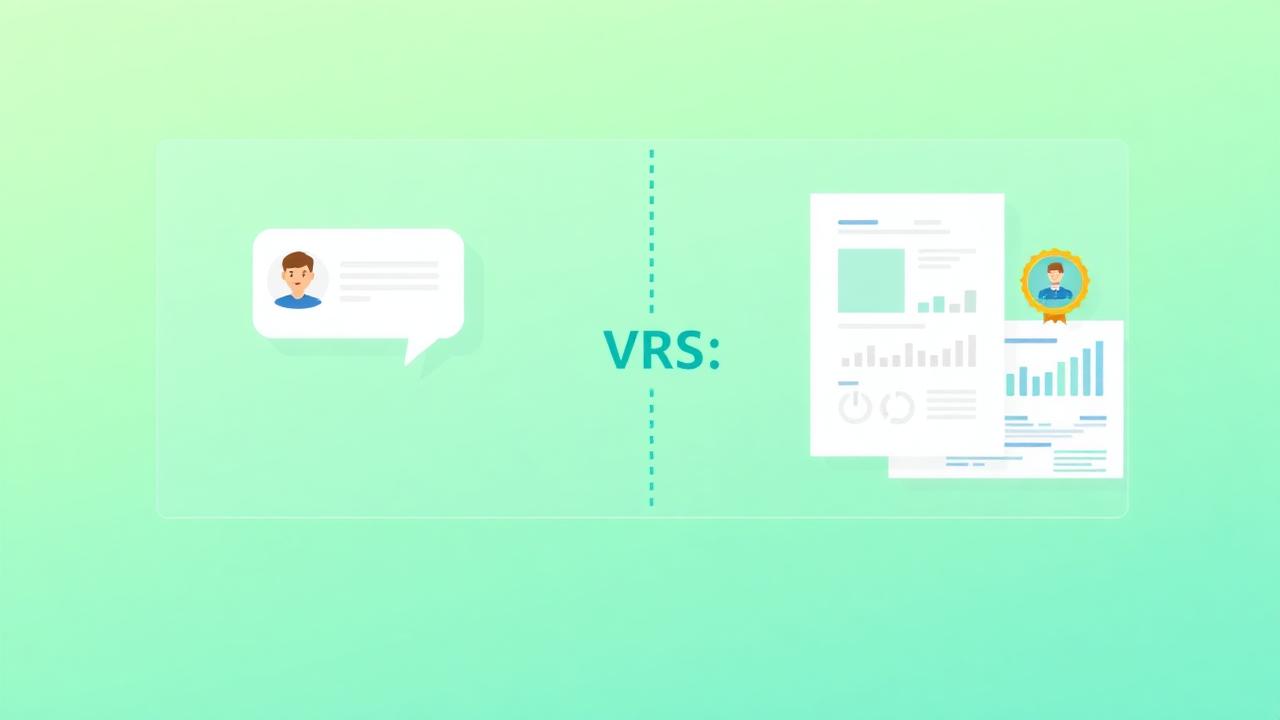

Case studies and testimonials are both forms of social proof, but they serve different purposes, require different effort levels, and work best at different stages of the buyer journey. This guide breaks down when to use each format, how they complement each other, and how to build a content strategy that leverages both for maximum conversion impact.
What Are the Key Differences Between Case Studies and Testimonials?
Testimonials are short customer endorsements (1-3 sentences) that provide quick social proof, while case studies are detailed narratives (800-2,000+ words) that document a customer's complete journey from problem to solution to measurable results.
The core differences:
- Length and depth: Testimonials are 1-3 sentences. Case studies are 800-2,000+ words with data, context, and narrative structure.
- Perspective: Testimonials are the customer's voice verbatim. Case studies are your narrative about the customer's experience, supported by their quotes.
- Data: Testimonials may mention a result ("increased conversions 25%"). Case studies provide full context: the baseline, methodology, timeline, and verified metrics.
- Effort: Testimonials take 2-5 minutes to collect. Case studies require interviews, data gathering, writing, customer review, and design — typically 10-40 hours total.
- Placement: Testimonials go everywhere (homepage, product pages, emails, checkout). Case studies are destination content — dedicated pages that prospects actively navigate to.
When Do You Use a Testimonial?
Use testimonials for quick trust signals across your website — they work best on landing pages, product pages, pricing pages, and email campaigns where visitors need fast reassurance without committing to a long read.
Testimonials excel when:
- Volume matters: You can display 10-20 testimonials on a page for broad social proof. Showing 10 case studies would overwhelm visitors.
- Quick validation: A 1-sentence quote next to a CTA button provides instant reassurance without disrupting the user's flow.
- Social proof notifications: Real-time notifications use testimonial snippets to create urgency and trust simultaneously.
- Email campaigns: Text testimonials embed naturally in email copy, adding credibility without increasing load time.
- Lower consideration purchases: For products under $100, testimonials provide sufficient trust. Case studies would be overkill.
When Is a Case Study the Better Choice?
Use case studies for high-consideration purchases (over $1,000), B2B enterprise sales, complex solutions where buyers need to understand the implementation journey, and when you need to demonstrate expertise and methodology — not just customer satisfaction.
Case studies are essential when:
- Multiple stakeholders decide: In B2B, the end user may love your product, but the CFO needs data. Case studies provide the metrics and ROI analysis that justify budget allocation.
- Complex implementation: When prospects worry about setup complexity, a case study showing smooth implementation from a similar company directly addresses their risk perception.
- Industry specificity: "How a healthcare SaaS company increased trial conversion by 35% with NotiProof" is far more persuasive to healthcare SaaS buyers than a generic testimonial.
- SEO value: Case studies are long-form, keyword-rich content that ranks for industry-specific searches and drives organic traffic.
- Sales enablement: Sales reps share case studies during the proposal stage to demonstrate proven results with similar companies.
How Do You Combine Both Formats Effectively?
Use testimonials as the "surface layer" of social proof across your entire site, and case studies as the "deep layer" that prospects dive into when they need detailed evidence — link testimonials to their corresponding case studies to create a natural depth-of-content journey.
A layered social proof strategy:
- Homepage: 3-5 testimonial quotes with "Read full story →" links to case studies.
- Product pages: Feature-specific testimonials inline, with a "See how [Company] uses this feature" link to the relevant case study.
- Case study pages: Pull out the most impactful quotes and use them as standalone testimonials across other pages.
- Sales process: Reps send short testimonial snippets in outreach emails, then share full case studies during discovery and proposal stages.
How Does the Creation Process Differ?
Testimonials can be collected at scale through automated email requests (2-5 minutes per customer), while case studies require a structured interview, data collection, professional writing, customer review, and design — typically 10-40 hours per study.
Testimonial collection process:
- Set up automated post-purchase/milestone email using proven templates
- Customer responds with 1-3 sentences (2-5 minutes of their time)
- You approve and publish — total effort: 10 minutes per testimonial
Case study creation process:
- Identify and recruit the customer (1-2 weeks of relationship building)
- Conduct a 30-60 minute structured interview
- Gather metrics and before/after data
- Write the narrative (4-8 hours)
- Customer and legal review (1-2 weeks turnaround)
- Design and publish — total effort: 20-40 hours per case study
Which Has More Conversion Impact?
Testimonials have higher aggregate conversion impact because they're seen by more visitors across more pages, but individual case studies can influence larger deals — a single enterprise case study can be worth millions in influenced pipeline.
Impact comparison:
- Testimonials: Small conversion lift (5-15%) applied across high-traffic pages = large aggregate revenue impact. 10 testimonials scattered across 20 pages influence thousands of visitors daily.
- Case studies: Large conversion impact (30-50% higher close rate) on a smaller audience = concentrated revenue impact. One case study shared with 50 enterprise prospects can influence $500K+ in pipeline.
- Together: The layered approach multiplies both effects. Testimonials build initial trust, case studies close the deal. Companies using both see 20-35% higher overall conversion rates than those using either alone.
Key Takeaways
- Testimonials are short, scalable, and work everywhere; case studies are deep, resource-intensive, and work for complex decisions
- Use testimonials for quick trust across all pages; case studies for enterprise sales and high-consideration purchases
- Combine both: testimonials as the surface layer, case studies as the deep layer, linked together for a natural depth journey
- Testimonials take 10 minutes each; case studies take 20-40 hours each — plan resource allocation accordingly
- Together, they produce 20-35% higher conversion rates than either format alone